
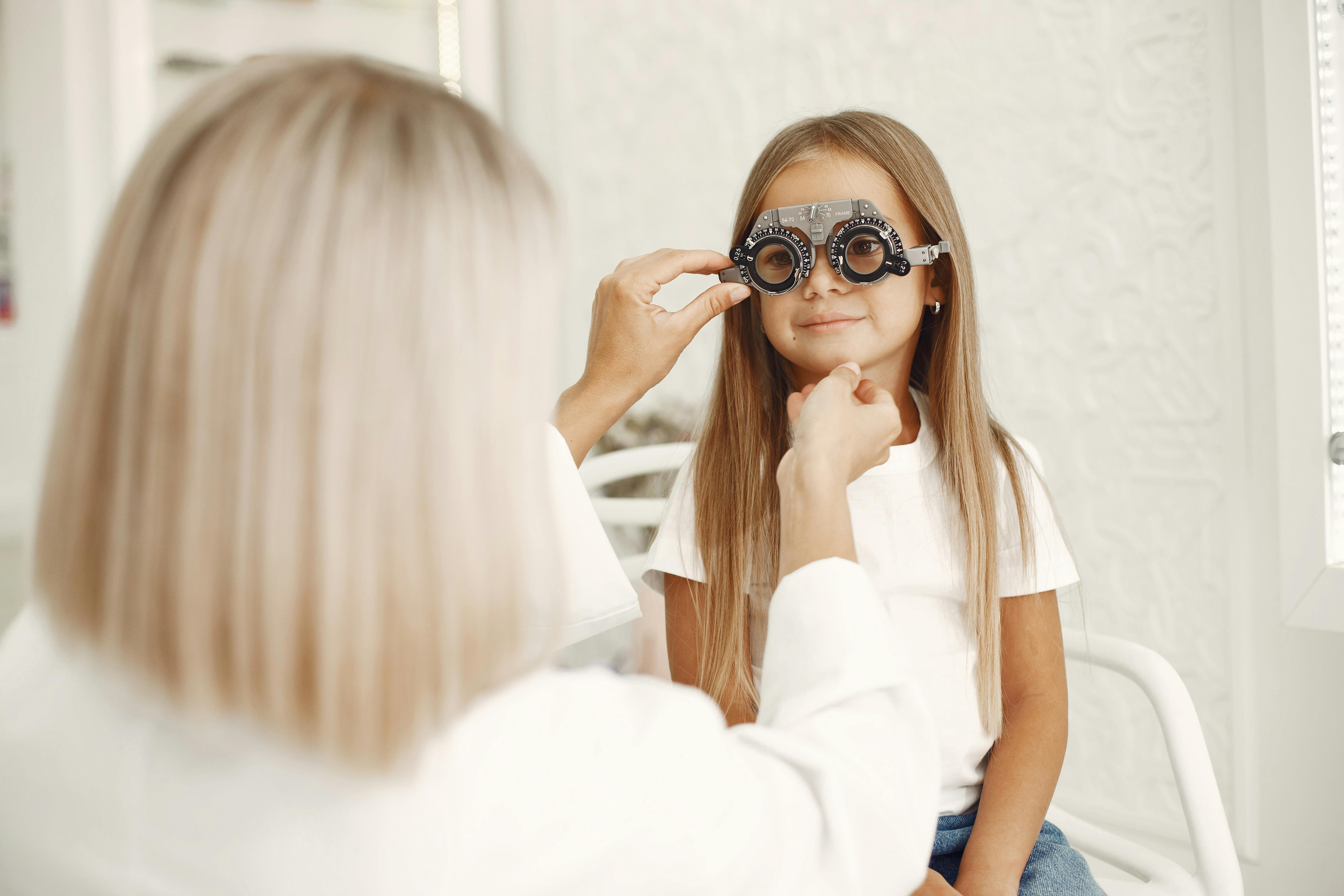
Despite the prevalence of eye issues among youngsters, a significant number of them do not receive timely eye care. In fact, according to the International Agency for the Prevention of Blindness, over 450 million children globally have some form of sight condition that needs treatment. As such, for the children who get regular eye check-ups, their parents and guardians need to learn how to optimize these visits. This can primarily be done by asking efficient questions, such as those discussed below.
Which is better, prescription glasses or contacts?
For those whose children require vision correction, deciding between glasses or contacts can be a tough decision. As a parent, it is natural to want the best for your child’s vision and overall well-being. Both glasses and contacts have advantages and disadvantages, making it crucial to consider multiple factors before making a final decision. The more traditional option when it comes to correcting visual impairments is prescription eyeglasses. They are easy to use and maintain and are generally safe for children of all ages. Brands like Oakley and Lacoste even offer a range of specially designed frames for kids. Prescription contact lenses, on the other hand, offer a more inconspicuous and aesthetically flexible alternative. Since contacts are placed directly on the eye, they also provide a full field of vision, allowing children to engage in various activities without visual obstructions. Because contacts do require a bit more care, options like MiSight from CooperVision have even designed soft contacts made for young wearers.
Ultimately, an eye doctor would have the most knowledge regarding both tools and how patients would use either option. By involving them in this decision-making process, parents can make informed choices that cater to their child’s individual ocular health, overall well-being, and lifestyle.
Are there any signs or symptoms I should watch out for?
By regularly consulting with your child’s eye doctor and being proactive in discussing potential red flags, parents significantly increase the chances of early detection and intervention. This is especially important as children will not always be able to communicate signs and symptoms, and parents must primarily rely on their own observations. If left untreated, some eye conditions can lead to long-term visual impairment and hinder your child’s ability to learn, play, and interact with the world.
Early detection and management of eye problems help prevent discomfort, strain, or frustration from poor vision. By discussing what to look out for, you can even share this information with other key community members like your child’s older siblings or teachers. This ultimately creates a circle of aware individuals who can use this doctor-backed knowledge to protect your child’s vision health better.
Do blue light glasses matter for kids?
Whether for schoolwork, entertainment, or communication, digital devices have become an integral part of children’s lives. According to EdTech magazine, children globally have increased screen time by over 50% in the last few years. This excessive exposure has raised concerns about the potential adverse effects on their overall well-being, given the blue light they emit. As a result, many parents have started considering blue light glasses for their children, even those with otherwise healthy vision.
Blue-violet light filtering in glasses helps reduce exposure to both natural and artificial high-energy light, such as from the sun and electronic devices respectively. These blue light glasses are offered by many reputable brands like Ray-Ban and come in both prescription and nonprescription wear, meaning anyone can use them. However, eye doctors are the best people to evaluate the potential benefits of blue light glasses based on your child’s specific needs and lifestyle. Some doctors may even recommend additional protection in the form of blue light screen protectors like those from Ocushield, depending on factors such as the duration and intensity of screen exposure, pre-existing eye conditions, and the overall visual health of your child.
Does an eye-friendly diet realy help?
Adhering to a well-rounded diet rich in eye-healthy nutrients is hugely beneficial and can significantly impact an individual’s well-being. However, it is crucial to consult with an eye doctor for individualized advice. This is because they possess specific knowledge about eye health and can provide tailored recommendations in light of unique nuances. For example, fish is usually considered an eye-healthy food because of its omega-3s. Interestingly, though, very young children are sometimes advised to limit their fish intake due to mercury levels that may lead to eye damage.
An eye doctor will consider factors such as a child’s age, overall health, family history, and any pre-existing eye conditions while making dietary recommendations. They will also assess the child’s lifestyle, food preferences, and any specific dietary restrictions or allergies. Considering these factors, the eye doctor can provide expert advice on incorporating specific foods or dietary supplements to ensure a well-rounded nutritional intake that supports optimal eye health.